What to gather after an accident to support a claim
Being involved in a road accident can be a disorienting experience. In the moments that follow, it is normal to feel shaken and unsure what to do next. Yet the steps you take in the first hours and days can have a lasting effect on any compensation claim you later decide to pursue. Knowing what information to collect and how to organise it gives you a clearer path if you need to seek legal advice.
Police reports and accident reference numbers
If the police attended the scene, they will have recorded details of the incident. That official report can become a central piece of evidence. It usually includes the date, time, exact location, weather conditions, and the officers' initial observations. Even if the police did not attend, you may still be able to obtain an accident reference number if you report the incident yourself within a reasonable time. Having that reference makes it easier for a solicitor to request the full report later. Keep a note of the police station that dealt with the incident and the name or badge number of the officer you spoke to.
Photographs from the scene
Images can capture details that words struggle to describe. If it is safe to do so, take photographs of the vehicles involved, their positions on the road, any visible damage, and the surrounding area. Include wide shots that show the layout of the junction or street, as well as close-ups of skid marks, debris, or broken parts. Weather conditions and lighting matter too. A picture taken just after the crash can show rain, ice, or poor visibility that may have contributed to the incident. Photographs of your own injuries, even if they seem minor at first, can also be useful. They create a timeline of how bruising or swelling developed over the days following the accident.
Witness contact details and statements
Passers-by, other drivers, or nearby residents may have seen what happened. Their independent account can carry significant weight when liability is disputed. Ask for their name, phone number, and email address. If they are willing, a short written or recorded statement at the scene can preserve their memory while it is fresh. Even if a witness says they did not see the impact itself, their evidence about the moments just before or after can still help. Do not assume that a witness will come forward on their own. Many people assume someone else has already given their details, and they simply drive away.
Your own account of the accident
Memory fades quickly, especially after a stressful event. Write down everything you recall as soon as you can. Include the direction you were travelling, your speed, any traffic signals, the actions of the other driver, and the sequence of events from the moment you first noticed a hazard. Note any conversations you had with the other driver at the scene, including any admissions of fault. If you were a passenger, describe what you saw and heard from your seat. This personal account is not a formal witness statement, but it becomes a useful reference when you later give a fuller version to a solicitor or insurer.
Medical evidence and records
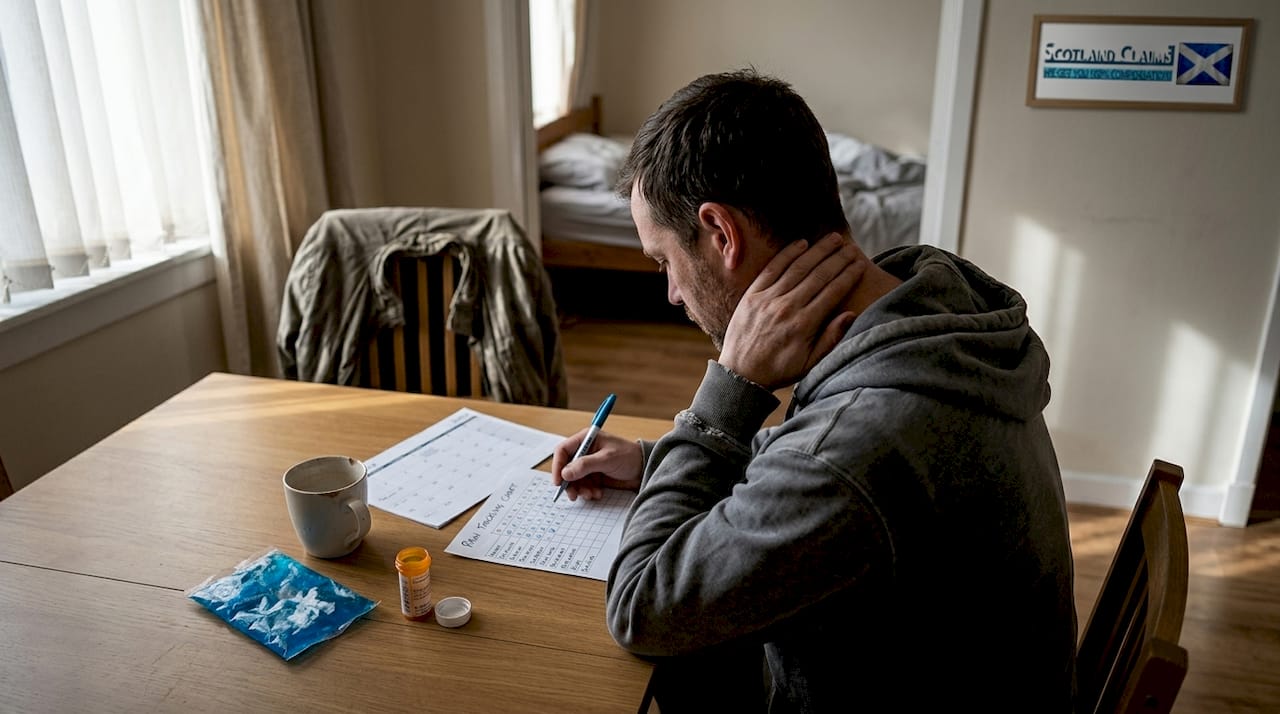
Even if you feel your injuries are minor, see a doctor or attend a hospital as soon as possible. A medical professional's notes create a formal record of your condition, the treatment you received, and any follow-up care recommended. This documentation is essential for linking your injuries directly to the accident. Keep copies of prescriptions, physiotherapy referrals, and any notes from hospital visits. If your symptoms change or new problems emerge, go back to your doctor and have those updates recorded too. A gap in medical evidence can make it harder to show that later pain or stiffness is connected to the crash.
Liability and the claim notification process
Establishing who was at fault is not always straightforward. The other driver may deny responsibility, or both parties may share some blame. In Scotland, the system of contributory negligence means that even if you were partly at fault, you may still be able to claim, though the compensation may be reduced. The formal claim notification - letting the other driver's insurer know that you intend to seek damages - should be done promptly. Delays can complicate matters, especially if evidence is lost or memories fade. Your solicitor will handle this step, but you can help by having all the evidence organised and ready to share.
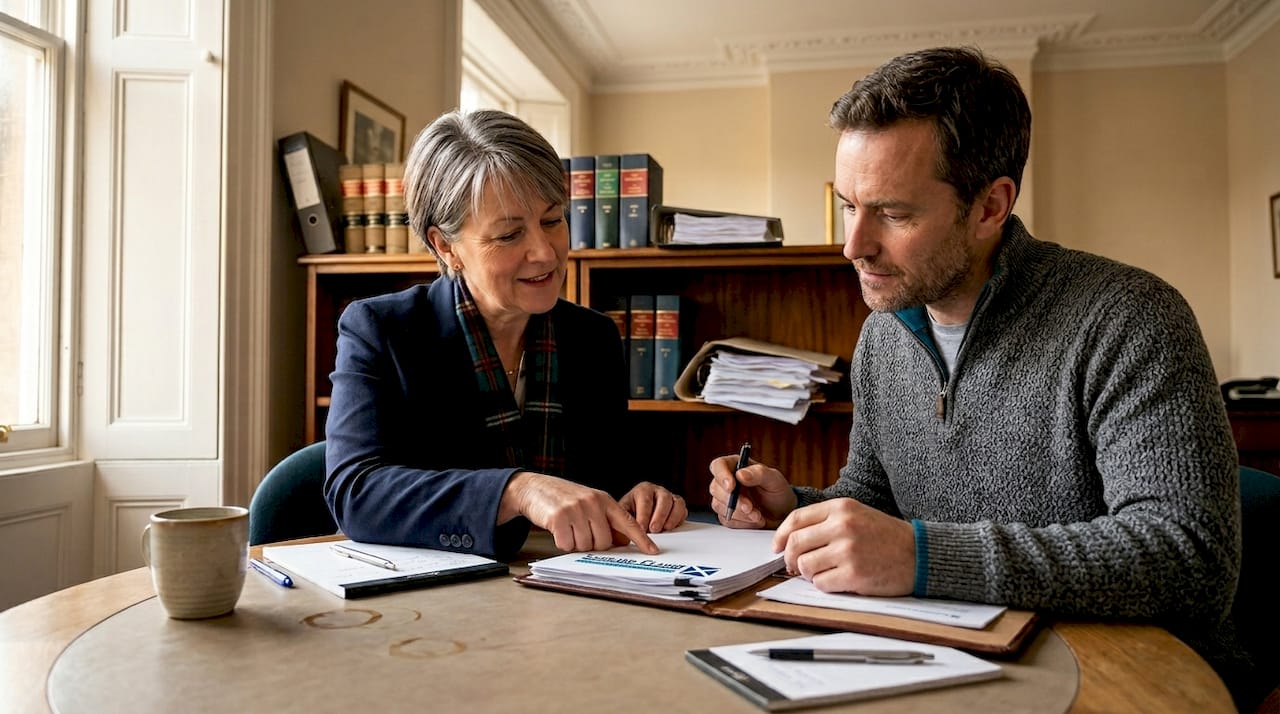
If you need guidance on how to proceed, Scotland Claims Injury Lawyers can explain what evidence is relevant for your situation and how to preserve it. They work on a no win no fee basis, which means you can explore your options without upfront financial risk.
The claim deadline in Scotland
Personal injury claims in Scotland are subject to a time limit. Generally, you have three years from the date of the accident - or from the date you first became aware of your injury - to raise court proceedings. This deadline is strict. If you miss it, you may lose the right to claim compensation altogether. Some exceptions exist, such as for children or for people with certain mental health conditions, but relying on those exceptions is risky. Gathering evidence early gives you and your solicitor enough time to build a strong case before the deadline approaches.
Why a solicitor consultation matters
Even if you have collected everything you think is relevant, a solicitor will know what additional information may be needed. They can advise you on how to obtain medical records, how to request CCTV footage from nearby businesses, and how to handle communications with insurers. A consultation does not commit you to anything. It is an opportunity to ask questions and get a realistic view of your claim's prospects. Many solicitors offer an initial assessment at no cost. Taking that step early can prevent mistakes that might weaken your case later.
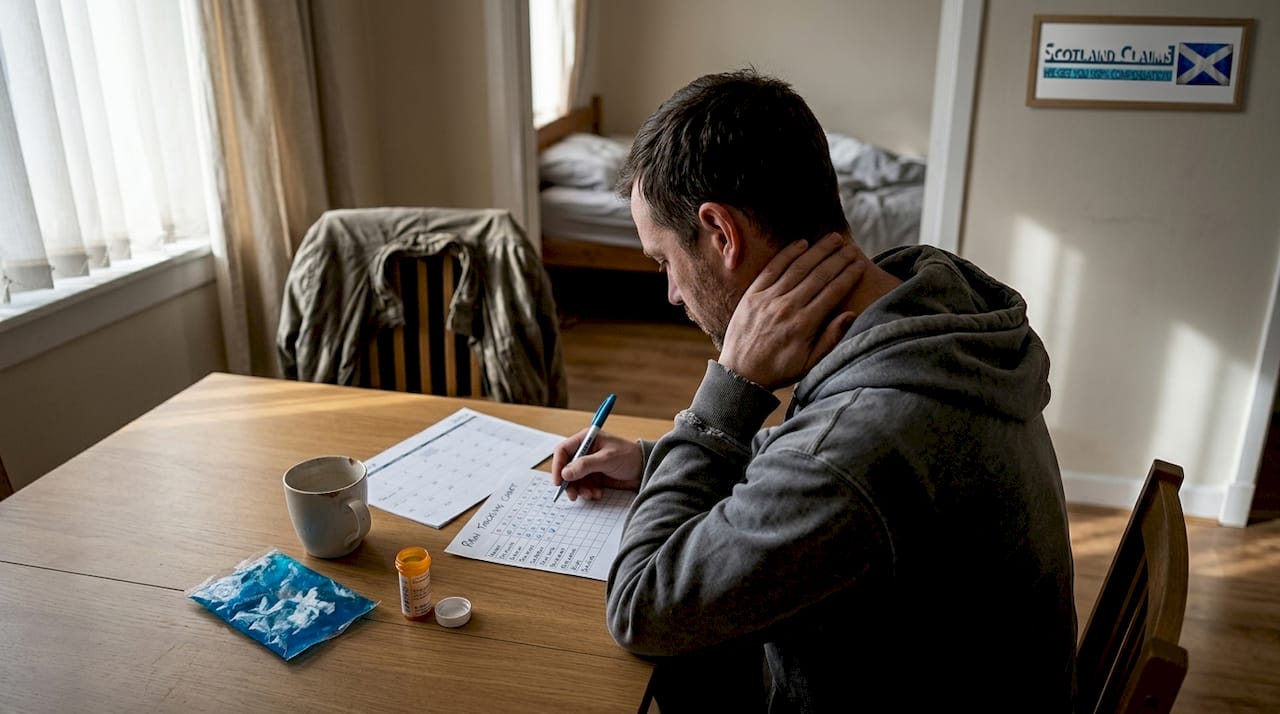
Organising police reports, photographs, witness details, and medical evidence from the outset puts you in a stronger position. It also means that if you decide to instruct a solicitor, they can begin work without delays caused by missing information. For anyone in Scotland who has been injured through no fault of their own, speaking with Scotland Claims Injury Lawyers can help clarify the next steps and what evidence will support a claim.